
Affiliate Disclosure: This article contains affiliate links. If you purchase through a qualifying link, we may earn a commission at no additional cost to you. This review is based on published product specifications, available product information, visible customer feedback, comparison research, and practical buying considerations. We have not personally conducted hands-on testing of the DL24P 180W Review 2026.
Quick Verdict: DL24P 180W Review 2026
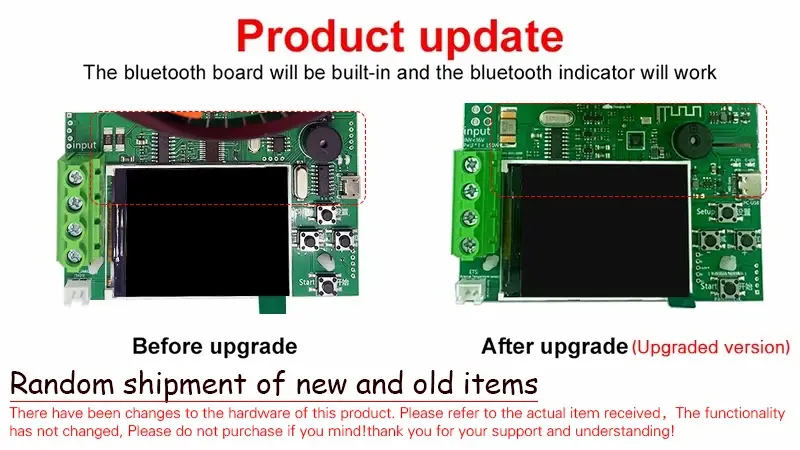
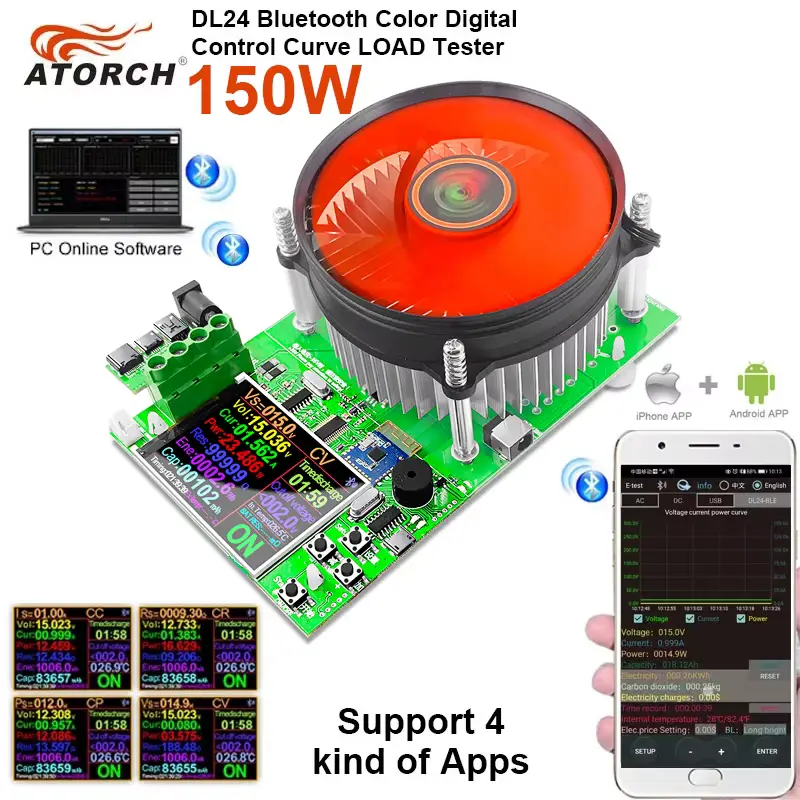
The DL24P 180W Review 2026 covers a specialised electronic load and battery testing tool designed for people who need more than a basic USB power meter. The DL24P combines a 2.4-inch colour display, 4-wire measurement capability, multiple load modes, Bluetooth connectivity, and a maximum load rating of up to 180W. The available specifications list a 2–200V test range and up to 20A current range, although the maximum usable power depends on the test voltage.
For electronics hobbyists, battery projects, repair work, power-supply testing, and DIY diagnostics, the feature set looks quite useful. The main limitation is that this is a technical testing instrument, not a simple plug-and-play battery checker for casual users.
Our Rating: 4.6/5
DL24P 180W Review 2026: Specifications
| Specification | Details |
|---|---|
| Product | ATORCH DL24P |
| Type | DC Electronic Load / Battery Capacity Tester |
| Maximum Load | Up to 180W |
| Test Voltage | 2–200V |
| Current Range | Up to 20A |
| Wiring | 2-wire and 4-wire |
| Test Modes | CC, CV, CR, CP |
| Display | 2.4-inch color display |
| Connectivity | Bluetooth / PC connection |
| Battery Included | No |
| Certification | CE / RoHS listed |
| Origin | Mainland China |
| Product Variant | DL24P 180W |
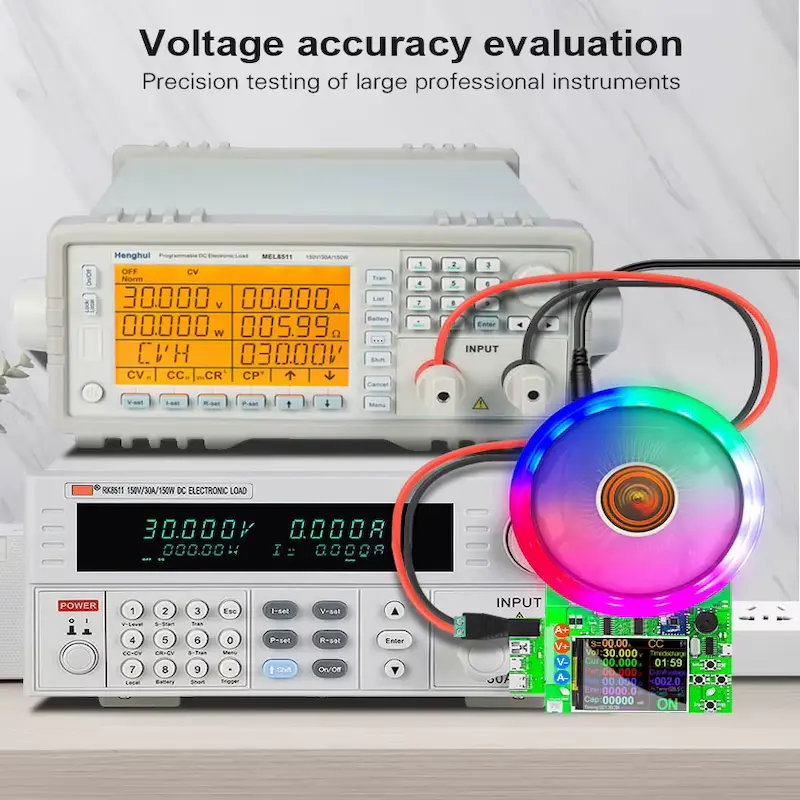
The supplied listing also identifies the product as a 4-wire 180W version. The manufacturer documentation explains that the DL24P supports both two-wire and four-wire testing, with four-wire measurement intended to reduce the effect of voltage drop in the wiring.
What Is the DL24P 180W?
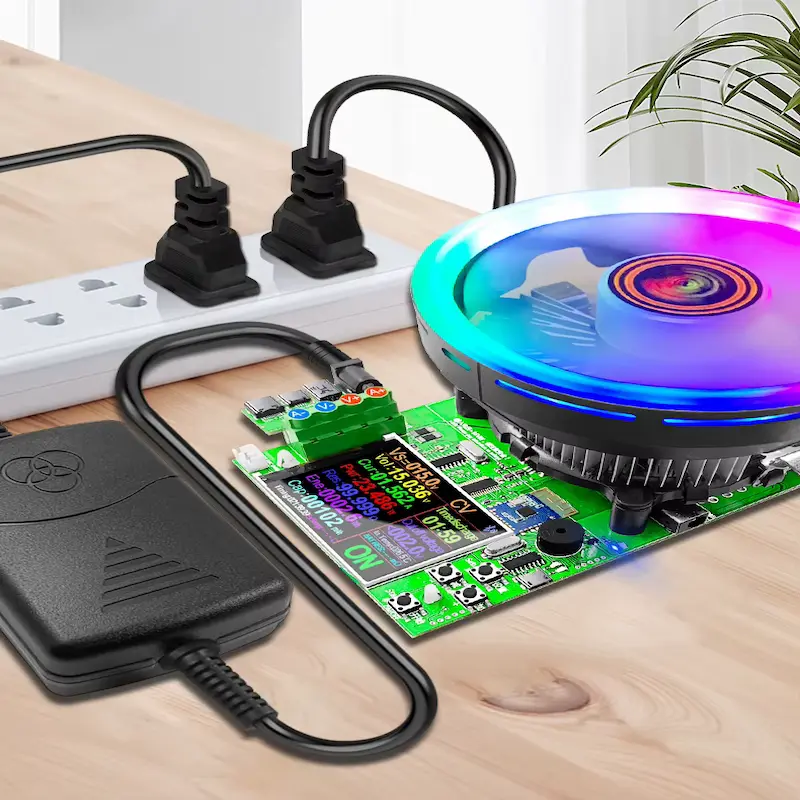
The ATORCH DL24P is an electronic load tester designed to place a controlled electrical load on batteries, power supplies, chargers, and other DC power sources.
Unlike a basic voltage meter, an electronic load can actively draw current from the source being tested. That makes it useful when you want to evaluate how a battery, charger, adapter, or power supply behaves under a controlled load.
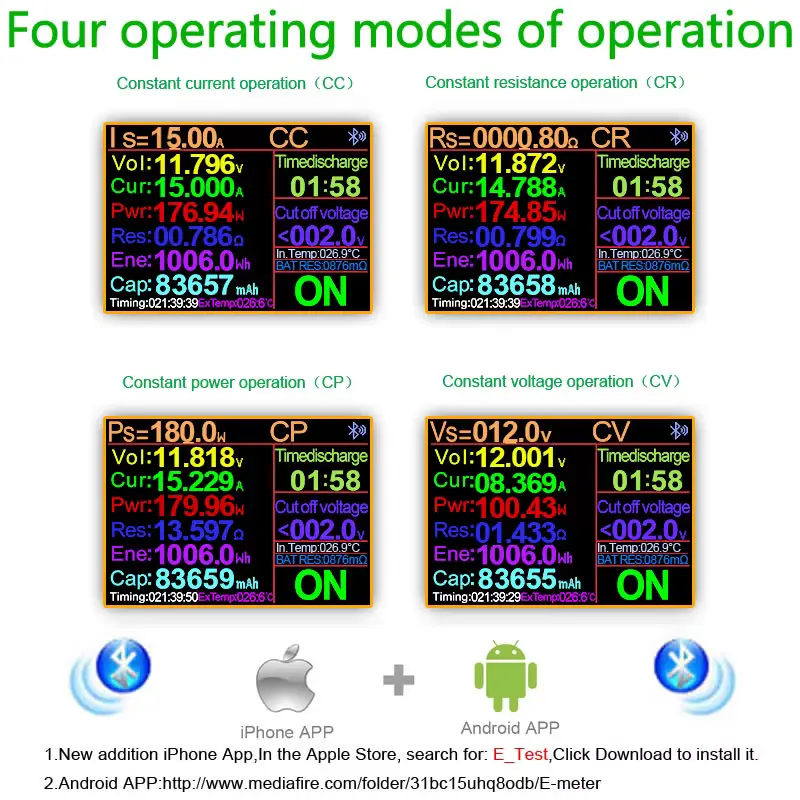
The DL24P supports several operating modes, including constant current (CC), constant voltage (CV), constant resistance (CR), and constant power (CP). These modes give the user more flexibility than a basic battery capacity meter.
This makes the DL24P particularly interesting for electronics enthusiasts who regularly work with rechargeable batteries, USB power sources, DC adapters, or DIY electronics.
DL24P 180W Review 2026: 4-Wire Testing
One of the most important features of the DL24P is its 4-wire measurement capability.
With a traditional two-wire connection, the resistance of the test wires can affect the voltage measured at the load. A four-wire setup separates the current-carrying path from the voltage-sensing path, helping reduce the influence of wire voltage drop.
That can be particularly useful when testing batteries or power sources where measurement accuracy matters.
The product documentation specifically describes four-wire wiring as a method for more accurate testing because the voltage measurement is less affected by voltage drop across the wires.
For someone who only wants to check whether a USB charger works, this feature may be unnecessary. For battery testing and electronics diagnostics, however, it can be much more valuable.
DL24P 180W Review 2026: Load Capacity and Testing Range
The DL24P 180W Review 2026 would not be complete without discussing its headline 180W rating.
The manufacturer documentation lists a maximum load power of 180W for the DL24P, compared with 150W for the standard DL24 model. It also lists a test-voltage range of approximately 2–200V and a current range of up to 20A.
However, the 180W figure should not be interpreted as meaning that the tester can draw 180W at every voltage.
The published operating limits specify lower maximum testable power at higher voltages:
- Below 36V: up to 150W
- Above 36V and below 80V: up to 60W
- Above 80V and below 200V: up to 45W
These limits are important because electronic loads generate heat while absorbing power. Users should always stay within the manufacturer’s stated operating range rather than simply setting the highest possible current.
DL24P 180W Review 2026: Four Testing Modes
The DL24P supports four major electronic-load modes.
Constant Current Mode
CC mode maintains a selected current during the test, within the device’s operating limits.
This can be useful for battery discharge testing because the tester can draw a controlled current while monitoring the battery’s voltage and other measurements.
Constant Voltage Mode
CV mode attempts to maintain a selected voltage while the load operates.
This mode has different applications from battery-capacity testing and should not be treated as interchangeable with CC mode.
Constant Resistance Mode
CR mode uses a resistance-based load setting. This can be useful when you want the load to behave according to a selected resistance value.
Constant Power Mode
CP mode attempts to maintain a selected power level as the input voltage changes.
This can be particularly useful for evaluating how a power source behaves under a controlled power demand.
The DL24/DL24P documentation confirms CC, CV, CR and CP as the four primary testing modes.
DL24P 180W Review 2026: 2.4-Inch Color Display
The DL24P uses a 2.4-inch colour display that shows important testing information directly on the device.
Depending on the testing mode, the display can provide information such as:
- Voltage
- Current
- Power
- Resistance
- Energy
- Capacity
- Temperature
- Test time
- Cut-off settings
This is useful because you do not necessarily need a separate meter just to see the basic results.
The product documentation also describes an integrated display for parameters including voltage, current, power, resistance, energy, capacity, and temperature.
For workshop or bench use, having this information visible on the tester itself can make the setup easier to monitor.
DL24P 180W Review 2026: Bluetooth and PC Connectivity
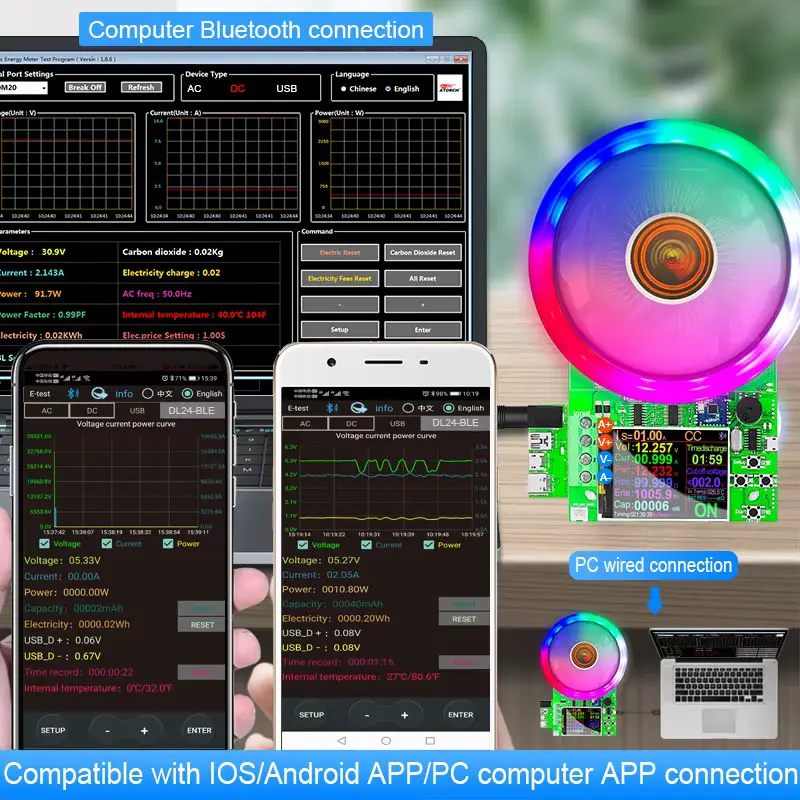
Another interesting feature is the DL24P’s Bluetooth connectivity.
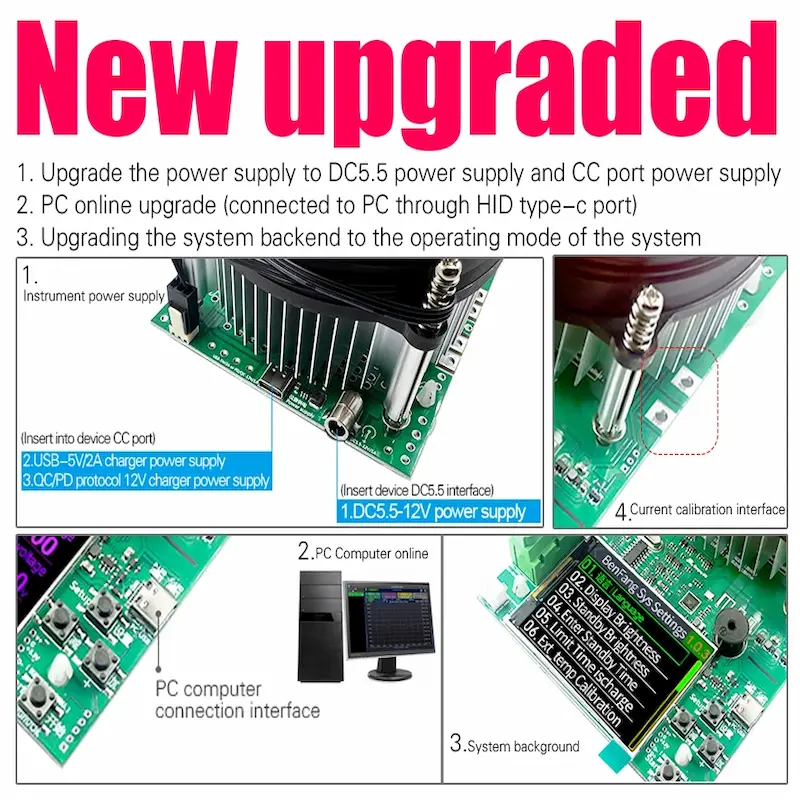
The available documentation describes Bluetooth support for app-based monitoring, while the product also includes a PC connection interface. Compatible software can provide additional ways to monitor and record test information.
This feature could be particularly useful for users who want to monitor longer battery-discharge sessions without constantly standing next to the tester.
However, software compatibility deserves attention before buying. The published manual notes that PC software and app compatibility can vary, so buyers who specifically need computer-based logging should check the current software requirements before ordering.
Battery Capacity Testing
Battery capacity testing is one of the strongest reasons to consider the DL24P.
The tester can apply a controlled discharge while monitoring the battery’s electrical behaviour. This can help users estimate the usable capacity of batteries and compare different cells or battery packs.
The product documentation specifically describes the DL24/DL24P as a battery-capacity and DC-power multifunction tester.
It can be relevant for:
- Lithium-ion batteries
- DIY battery packs
- Rechargeable cells
- Power banks
- DC power supplies
- USB chargers
- Adapters
- Electronics projects
Of course, the tester itself does not magically make every battery test safe. The user still needs to understand the battery chemistry, voltage limits, wiring, and appropriate discharge settings.
DL24P 180W Review 2026: Temperature Monitoring
Heat is an important consideration when using an electronic load.
The DL24P uses a cooling fan and supports temperature monitoring through its testing system. The documentation describes the fan as operating when the device is powered and during active discharge, with temperature information available during testing.
This matters because a load tester converts electrical energy into heat.
If you plan to run long discharge tests, thermal behavior becomes much more important than it would be for a short measurement.
Included Accessories
The AliExpress listing shown in the supplied video displays a useful collection of accessories for the DL24P 180W package.
Depending on the selected configuration, the listing shows items such as:
- Temperature probe
- Test adapter board
- USB adapter
- DC12V power supply
- Alligator-clip test cable
- Computer/USB connection cable
Because AliExpress bundles can change between variants, buyers should check the exact package configuration before ordering.
That is particularly important with technical products because accessories can determine how quickly you can begin testing different battery or power-source formats.
What Can You Test With the DL24P?
The DL24P is aimed at a much broader range of applications than a normal USB tester.
Battery Testing
You can use an electronic load to evaluate how a battery performs during controlled discharge.
This can help with capacity comparisons and DIY battery projects.
USB Charger Testing
The tester can also be useful when evaluating USB chargers and power sources under load.
Instead of checking only the unloaded voltage, an electronic load allows you to examine how the power source behaves when it actually has to deliver current.
Power Supply Testing
DIY electronics users can use a controlled load to evaluate DC power supplies and adapters.
This can help identify whether a power supply behaves as expected under increasing demand.
Battery Pack Projects
For people who build or repair battery packs, the 4-wire capability can be especially interesting.
It gives the tester a more serious measurement-oriented role than a simple handheld voltage meter.
Customer Reviews and User Feedback
The supplied AliExpress listing shows a 4.9/5 rating from 472 ratings at the time captured in the video, with all displayed ratings marked as verified purchases.
Several visible buyers describe the tester positively.
One reviewer said the product made it easy to load-test power supplies and batteries and also appreciated the ability to power it through USB PD. Another reviewer described the electronic load as performing better than expected, with a clear display, intuitive operation, and a quiet fan.
Other feedback mentioned successful testing of LiFePO4 batteries and described the measurement results as satisfactory.
There are also some useful criticisms. One buyer said the instructions could be better and that the device required scanning the display for instructions and downloading a Bluetooth app. Another reviewer found the manual somewhat lacking in detail.
That feedback is worth considering because technical equipment can be excellent while still having a learning curve.
The overall customer feedback shown in the listing therefore points toward strong functionality with some documentation/software learning requirements.
DL24P 180W Review 2026: Pros and Cons
Pros
- Up to 180W load capability
- 2–200V test range listed
- Up to 20A current range
- 4-wire testing capability
- CC, CV, CR and CP modes
- 2.4-inch colour display
- Bluetooth connectivity
- PC connection support
- Battery capacity testing
- Temperature monitoring
- Useful for batteries and DC power supplies
- Multiple accessories available
- Strong customer rating in the supplied listing
Cons
- More complicated than a basic battery tester
- Requires knowledge of electrical testing
- Maximum power depends on voltage
- Software/app setup may require some learning
- Instructions may not be detailed enough for beginners
- Cooling and heat management matter during higher-power tests
- Different package variants can include different accessories
Who Should Buy the DL24P 180W?
The DL24P makes the most sense for people who actually need an electronic load.
It could be a good fit for:
- Electronics hobbyists
- Battery enthusiasts
- DIY power-supply builders
- Repair technicians
- Makers
- RC/electronics users
- People testing USB chargers
- Users evaluating battery capacity
- DIY battery-pack builders
- Anyone who needs controlled DC load testing
The 4-wire capability is especially attractive if measurement accuracy matters to your projects.
Who Should Skip the DL24P?
Casual users may find the DL24P unnecessary.
If your only goal is checking whether a USB charger outputs power, a simpler USB tester may be easier.
Likewise, someone who does not understand current limits, voltage ranges, battery chemistry, or electronic-load operation should learn the basics before attempting serious battery testing.
This is a technical instrument, not a general-purpose consumer gadget.
How to Use the DL24P Safely
Because the DL24P can work with substantial electrical power, safety should come before convenience.
Always verify the voltage, current and power limits before starting a test. The published documentation specifically warns users to stay within the applicable power range because the maximum testable power changes with voltage.
Before working with batteries or power supplies, follow appropriate electrical safety practices and use suitable wiring, connectors, insulation and protective equipment.
Most importantly, never assume that the 180W headline means every voltage/current combination is safe. The relationship between voltage, current and power matters.
DL24P 180W vs a Basic Battery Tester
A basic battery tester normally focuses on measuring or estimating battery capacity with a relatively simple interface.
The DL24P goes further by functioning as a programmable electronic load.
| Feature | DL24P 180W | Basic Battery Tester |
|---|---|---|
| Controlled Load | Yes | Usually limited |
| CC Mode | Yes | Usually No |
| CV Mode | Yes | Usually No |
| CR Mode | Yes | Usually No |
| CP Mode | Yes | Usually No |
| 4-Wire Testing | Yes | Usually No |
| Bluetooth | Yes | Varies |
| PC Connectivity | Yes | Rare |
| Color Display | Yes | Varies |
| Best For | Advanced testing | Basic battery checks |
The DL24P is therefore better suited to users who need control and flexibility, while a basic tester may be preferable for occasional household battery checks.
DL24P 180W vs DL24 150W
The DL24P is also worth comparing with the standard DL24.
The major difference is the maximum load rating: the DL24 is listed at 150W, while the DL24P reaches 180W. Both models use the same general electronic-load concept and support a similar 2–200V voltage range and up to 20A current.
| Feature | DL24 150W | DL24P 180W |
|---|---|---|
| Maximum Load | 150W | 180W |
| Test Voltage | 2–200V | 2–200V |
| Current Range | Up to 20A | Up to 20A |
| CC/CV/CR/CP | Yes | Yes |
| 4-Wire Support | Yes | Yes |
| Bluetooth | Yes | Yes |
| Battery Testing | Yes | Yes |
If your projects regularly approach the upper load range, the DL24P’s additional power headroom can make more sense.
For lower-power applications, the standard DL24 may already provide enough capability.
Related Electronics Reviews
If you are building a broader electronics testing or audio setup, check out our Oneodio Studio Pro 10 Review 2026: Is It Worth Buying?
If you are also interested in other useful gear for travel and everyday use, you can read our ADDIESDIVE Men’s Stainless Steel Quartz Watch Review 2026: Is It Worth Buying?
These reviews cover different types of products, giving readers more options to explore while browsing our latest electronics, travel gear, and accessories content.
What to Check Before Buying the DL24P 180W
Before ordering, check these points carefully:
1. Choose the Correct Variant
Make sure the listing specifically shows the DL24P 180W version if that is the model you want.
2. Check the Package
Accessories can differ between configurations. Verify whether the selected package includes the power supply, cables, temperature probe and adapter boards you need.
3. Understand the Power Limits
Do not judge the device only by the 180W headline. The maximum testable power changes with input voltage.
4. Consider 4-Wire Testing
If accurate battery or power-supply measurement is important to you, the 4-wire configuration is one of the more valuable features.
5. Check Software Compatibility
If Bluetooth or PC logging is important, check the current app/software compatibility before purchasing.
6. Know Your Test Subject
A battery, USB charger and DC power supply can require different testing approaches. Learn the appropriate limits before connecting an unfamiliar source.
Review Methodology: What We Considered
This DL24P 180W Review is based on the product listing shown in the supplied video, published specifications and manual information, visible customer feedback, comparison research, and practical buying considerations.
We considered the device’s load capacity, voltage and current range, 4-wire testing, operating modes, display, Bluetooth connectivity, accessories, battery-testing applications, limitations, and customer feedback.
We have not personally conducted hands-on testing of the DL24P 180W, so this review does not present laboratory measurements or personal performance results as our own.
Final Verdict: DL24P 180W Review 2026
The DL24P 180W Review 2026 shows a product aimed at a very specific audience, but it appears to offer a strong feature set for that audience.
Its combination of 180W maximum load capability, 2–200V test range, 4-wire measurement, CC/CV/CR/CP modes, colour display, Bluetooth connectivity, and battery-capacity testing makes it considerably more capable than a simple battery meter.
The biggest consideration is complexity. This is not the kind of product you should buy simply because the specification sheet looks impressive. You need to understand the voltage, current and power limits and know how to connect the device correctly.
For electronics hobbyists, battery-project users, repair enthusiasts and DIY power testers, however, the DL24P 180W looks like a well-equipped electronic load with a useful set of testing features.
Our Rating: 4.6/5
Is the DL24P 180W Worth Buying?
Yes, if you need a more advanced DC electronic load and battery-capacity tester.
It is particularly attractive if you want 4-wire measurement, multiple load modes, Bluetooth monitoring and a higher 180W load rating in one compact testing platform.
If you only need occasional voltage checks, a simpler tester will probably be easier to use.